
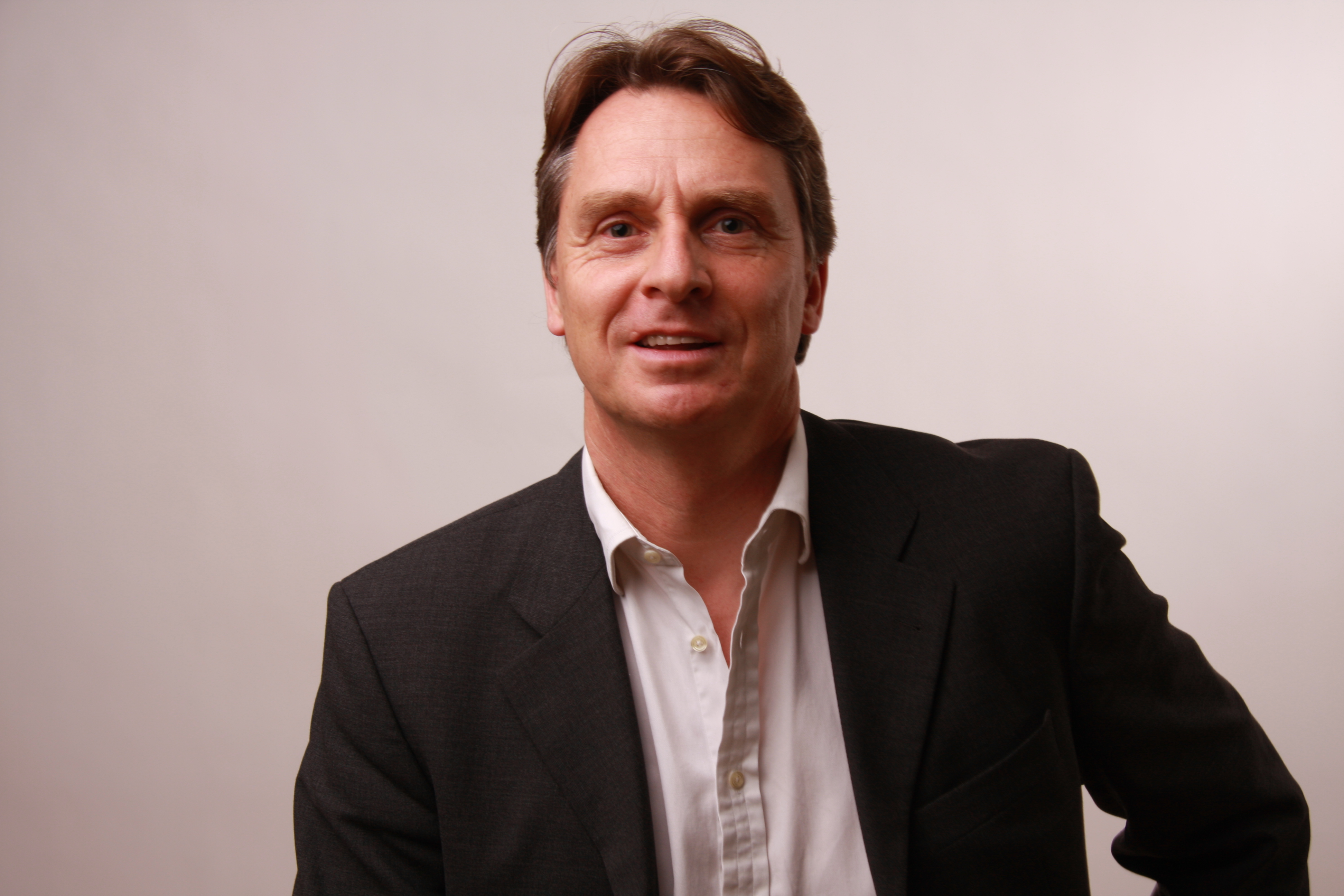
Karl zu Ortenburg
"Your exit should reward everything you built. My job is to make sure it does."
ExValu exists because three disciplines converge in one question: how do you capture what a brilliant human knows, make it run without them, and ensure buyers pay for it? The answer draws equally from finance, AI, and marketing - and very few people have spent serious time in all three.
The standard Karl works against
Is your company valuable in a way a buyer can trust, understand, and take over? That is the only question that matters at exit.
Finance, AI, and marketing - three disciplines that almost never meet
Most exit advisors come from one world. Most AI implementers come from another. The intersection of all three is where ExValu was built.
Finance - the buyer's lens
The analytical foundation is finance, not technology. Years at Deutsche Bank, followed by running an FSA-regulated corporate finance firm in London focused on TMT project finance across Europe and the USA. This means ExValu is structured around the question buyers and their advisors actually ask in due diligence - not the question founders assume they ask.
Buyers model risk before they model upside. They discount owner-dependent businesses before a single negotiation begins. Understanding how that discount is calculated - and how to dismantle it systematically - comes from sitting on the buy side, not the sell side. Finance first. Technology second.
AI - since before it had a mainstream name
At the University of Zurich, Karl became the first student permitted to bridge Computer Science and Business Psychology - with a research focus on one question: how do you capture what a brilliant human knows and make it transferable to a machine? That was the 1990s. The field was called Expert Systems. ChatGPT did not exist. Most people had not heard of AI.
That foundational question - how to systematize human expertise - is still the core of every ExValu engagement. The tools have changed dramatically. The problem has not. Three decades of thinking about machine knowledge capture means the methodology is built on substance, not on the current AI cycle. AI expertise that predates the hype.
Marketing - making value legible to buyers
Building operational independence is necessary but not sufficient. Buyers have to see it, understand it, and trust it. That is a marketing problem as much as an operational one. How the Exit Readiness Program is documented, structured, and presented in a data room directly affects how buyers price the business. Operational excellence that is invisible to a buyer has no valuation impact.
The combination of finance (knowing what buyers want), AI (building the systems that deliver it), and marketing (making it visible and credible) is what separates valuation engineering from either AI consulting or traditional exit advisory. Value only exists if buyers can see it.
The career that built ExValu's methodology
Each role contributed something specific to how ExValu works. The sequence matters as much as the individual credentials.
Expert Systems and human knowledge capture
First student permitted to bridge Computer Science and Business Psychology. Research focus: how to capture expert human reasoning and make it transferable to machines. This was Expert Systems research - machine learning before machine learning was a consumer concept. The foundational question ExValu still answers for every client.
Strategic advisory - 250 profit centers globally
Strategic advisory to the Executive Vice President and CIO. Financial oversight across 250 profit centers globally. Design of executive information systems. This is where operating at scale - and understanding how information flows through complex organizations - became practical rather than academic.
Corporate finance training
Rigorous financial training program. The analytical discipline that underpins the buyer-side perspective ExValu brings to every engagement. Understanding how financial buyers model risk, value, and upside is the foundation of everything ExValu builds toward.
Managing Director - FSA-regulated corporate finance
TMT project finance across Europe and the USA. Running an FSA-regulated firm means understanding the legal, regulatory, and fiduciary standards that sophisticated buyers expect. This is where buyer-side thinking became daily practice, not theory.
Master of Science - Sloan Program
MSc Sloan. Supplemented by AI certifications from Google, Microsoft, and leading European AI institutions - maintaining current technical knowledge alongside the long-term foundational understanding built from the 1990s onward.
The fit that produces results
ExValu works with a small number of SME owners at a time. The engagements that produce the strongest outcomes share these characteristics.
I tell owners what they need to hear. If I do not see a clear path to at least 3x ROI on the engagement, I will say so. Not every business is ready for this work, and not every timeline allows for it. The diagnostic call exists to establish that honestly, before any commitment is made.
What shapes how Karl works
These experiences do not belong on a pitch deck. But they shape the discipline to do the unglamorous work, the empathy to understand what owners carry, and the integrity to tell them the truth.
Seven years, Malteser Kinderzug
Voluntary service supporting children with physical and mental disabilities. Where patience, consistency, and genuine commitment to outcomes - not appearances - became habits.
Family business from age nine
Contributing to his family's business from childhood. Understanding what it means to build something across generations - and what is lost when that knowledge disappears with the person who held it.
Reconnaissance Officer training
Military training as a Reconnaissance Officer. Clarity of mission, discipline under pressure, and the ability to assess situations accurately before acting - not after.
The Knowledge Leak
Over generations, the hard-won expertise of owners, operators, and builders has disappeared with them. Not because it was not valuable - but because no system was built to capture it. When an owner is indispensable, that knowledge is trapped. When they exit, it often disappears entirely. Karl calls this the Knowledge Leak. Helping an owner sell well honors what they built. Making sure their knowledge survives the transaction - and continues to serve customers, teams, and future owners - is the other side of the same work. The primary benefit is the number on your exit proceeds. The secondary benefit is that what you built continues to matter after you leave.
The question behind every ExValu engagement
The most important question is not whether your company is good. It is whether your company is valuable in a way a buyer can trust, understand, and take over. That is the standard Karl works against. Because in the end, owners should not be rewarded merely for working hard. They should be rewarded for building a business that holds value beyond their daily involvement.
The first step is usually not a pitch. It is clarity.
- Where is value already strong - and what is already working in your favor?
- Where is value still fragile - and what would a buyer see in the first ten minutes of due diligence?
- What is increasing buyer confidence - and what is demonstrably transferable today?
- What is still creating discount risk - and which gaps are most urgent given your exit timeline?
- What should be fixed now to improve the eventual outcome - and in which order?
"You should be rewarded for making yourself replaceable."
What owners ask before starting
The conversation worth having
If you are thinking about your exit horizon, your owner dependence risk, or whether your business would survive you stepping back for 30 days - book a Free Exit Valuation Analysis. The first step is clarity, not a pitch.
Find my valuation gap Book my diagnostic call20-30 minutes. A specific picture of where you stand.
About ExValu